15 Peel-and-Stick Wallpaper Ideas That Actually Come Off in One Piece
Peel-and-stick wallpaper has come a long way in the last few years. The print quality is genuinely good, the paper is repositionable during application, and it truly does come off in one piece with a hair dryer on move-out day. Renters and homeowners both can use it to transform a single accent wall in under three hours.
The key to success with peel-and-stick is choosing the right pattern for the right room. Bold graphic patterns in living rooms date fast; subtle botanicals in bedrooms age beautifully. Wallpaper that dominates a small bathroom transforms it; the same paper in a large open room disappears. Match the pattern to the room, and the wallpaper does its job.
These fifteen ideas cover every major room in the home and every major pattern style—from soft botanicals to bold geometrics. Pick one accent wall in your home and choose the right paper for that specific room and use case.
1. Subtle botanical for the bedroom accent wall
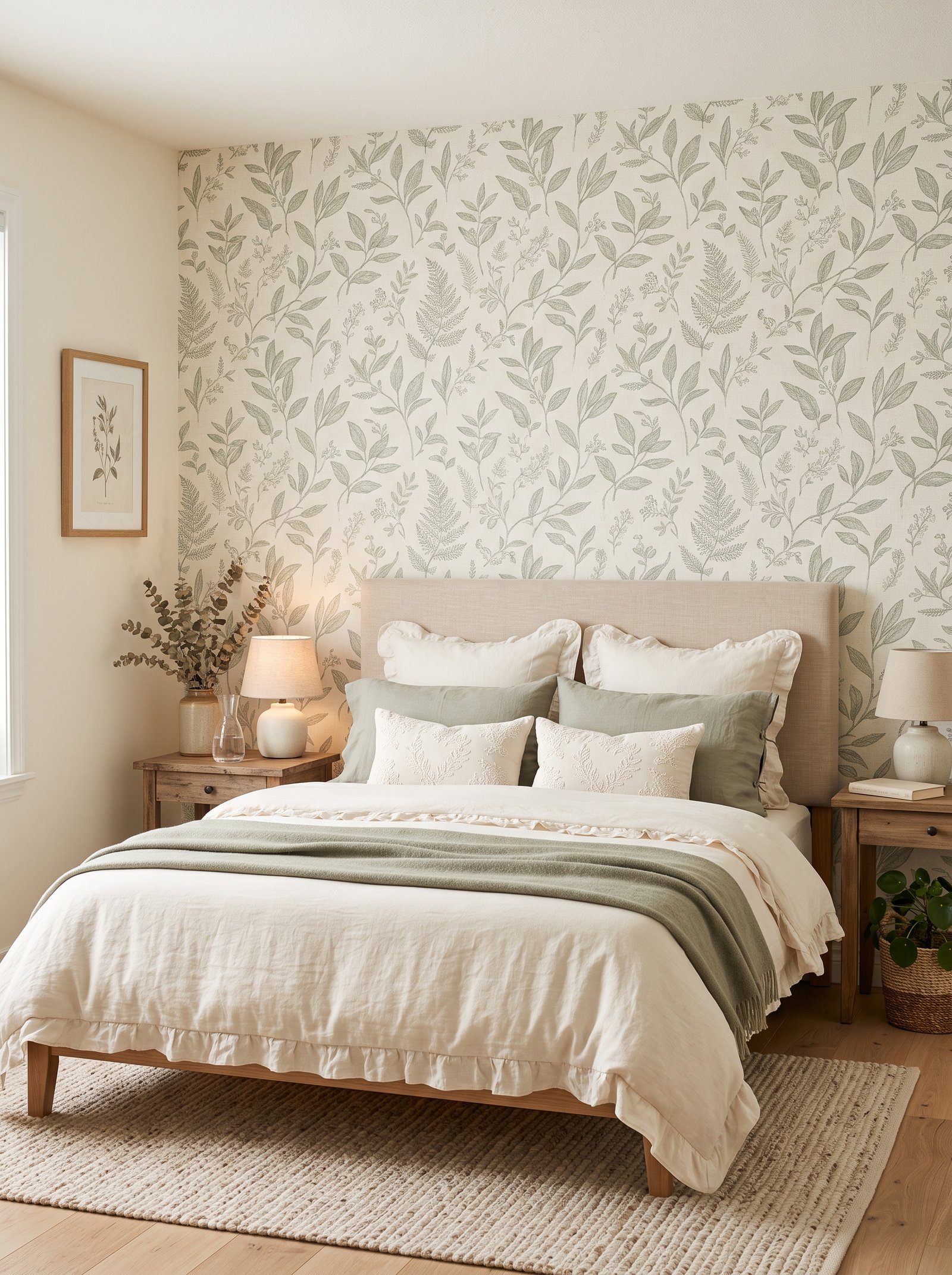
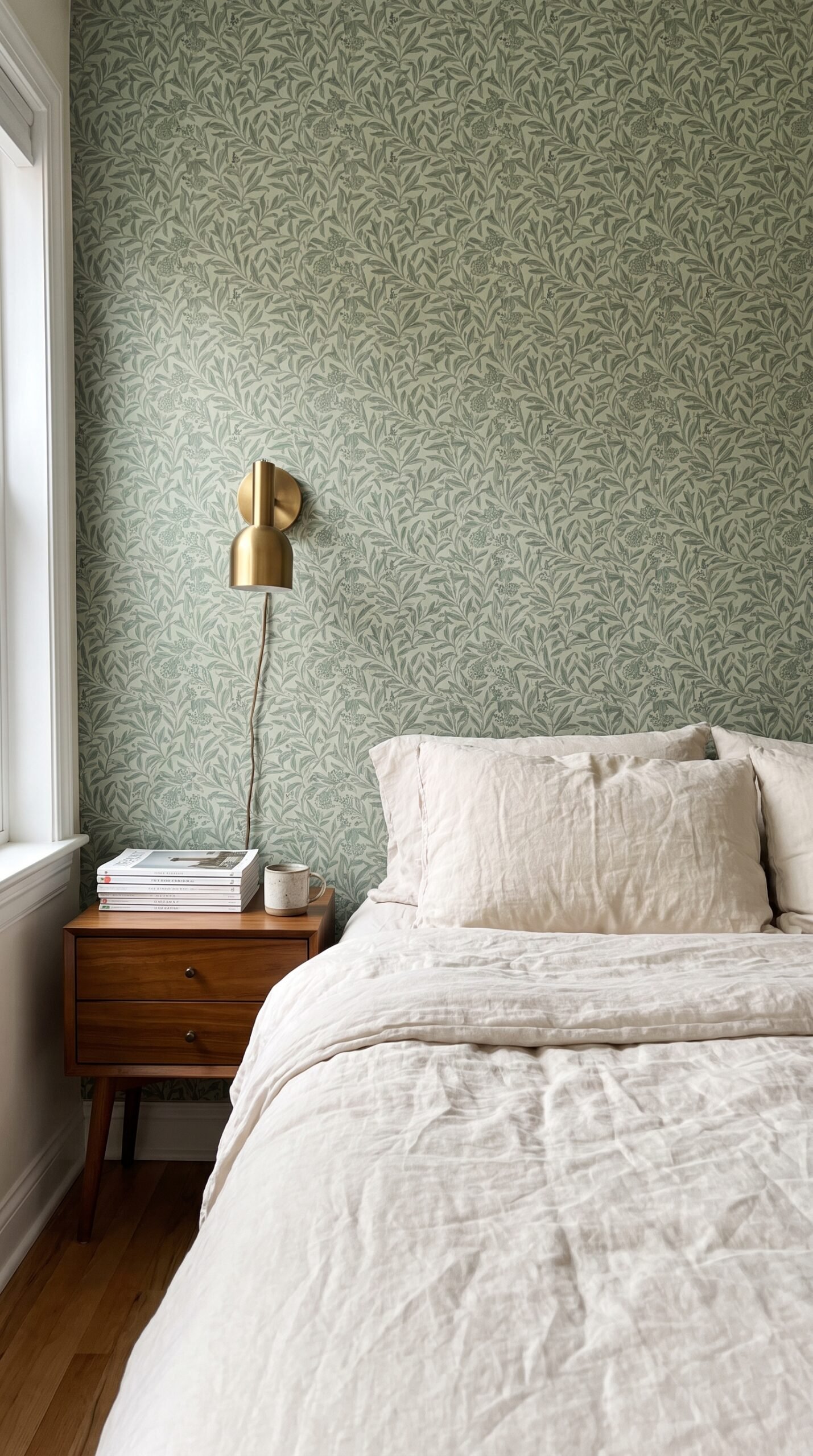
A soft botanical wallpaper (small-scale leaves, subtle floral, or grasscloth) behind the bed creates a calm accent wall that supports sleep rather than disrupting it. Choose muted colors—sage green on cream, dusty rose on oat, or warm cream on cream.
The pattern should be subtle enough that the eye rests on it rather than being pulled to it. Bold botanicals belong in dining rooms or hallways; muted ones belong behind the bed.
Chasing Paper, Rebel Walls, and Tempaper all make quality subtle botanicals. Expect to pay $50-100 for enough to cover an accent wall. The install takes 2-3 hours; the result lasts as long as you want and removes in 20 minutes.
2. Bold geometric for the entry or powder room
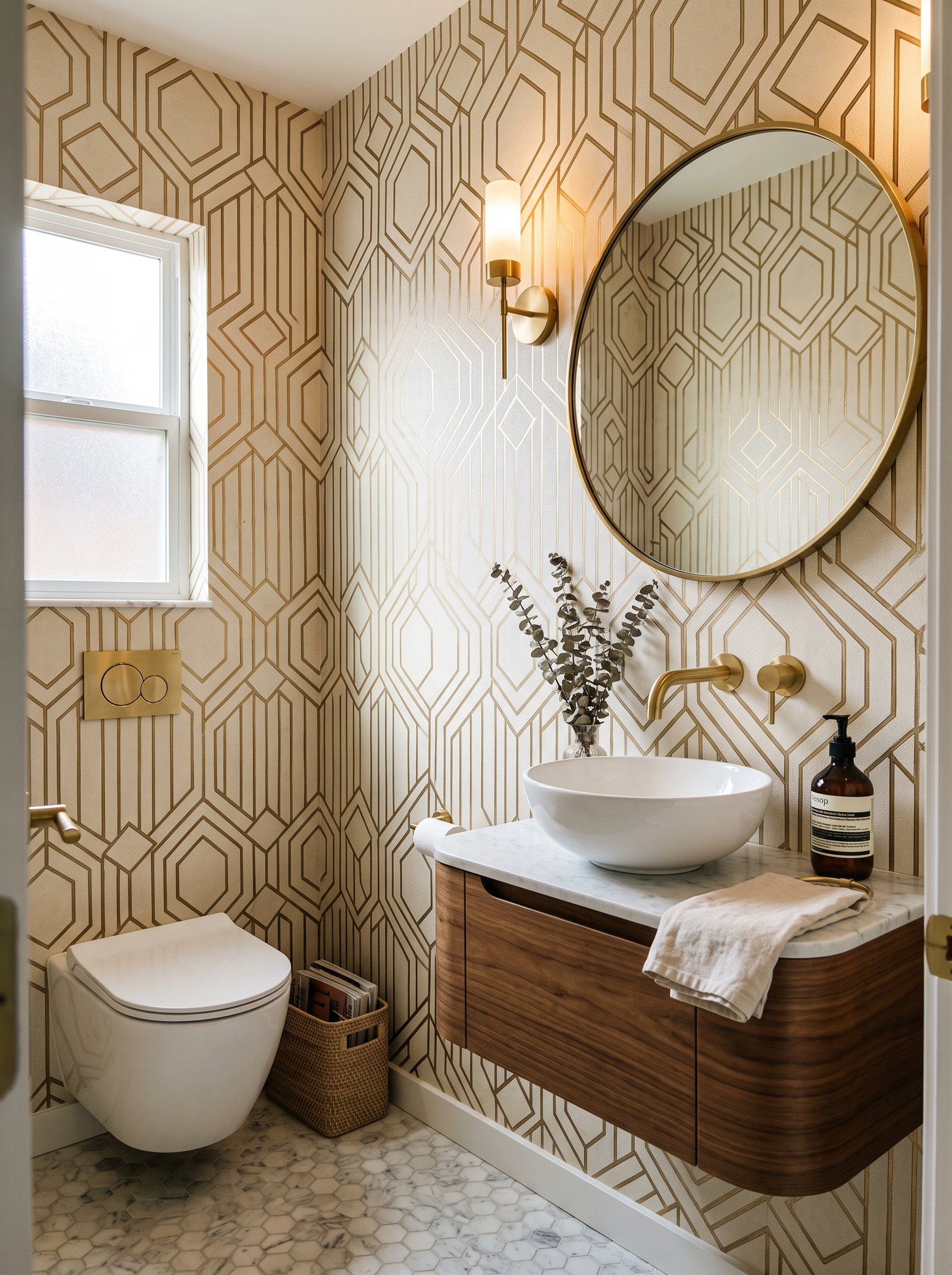
Small rooms that guests pass through briefly (entryway, powder room, laundry closet) can handle bold geometric or graphic patterns that would overwhelm larger rooms. The short exposure means bold patterns stay interesting rather than tiring.
Choose warm palette geometrics: brass and cream, warm charcoal and oat, or muted terracotta and cream. Skip bright colors that clash with year-round decor.
Bold graphic wallpaper in a small room instantly transforms the whole space. Guests notice and remember it, and the impact per square foot is dramatic.
3. Grasscloth for the living room
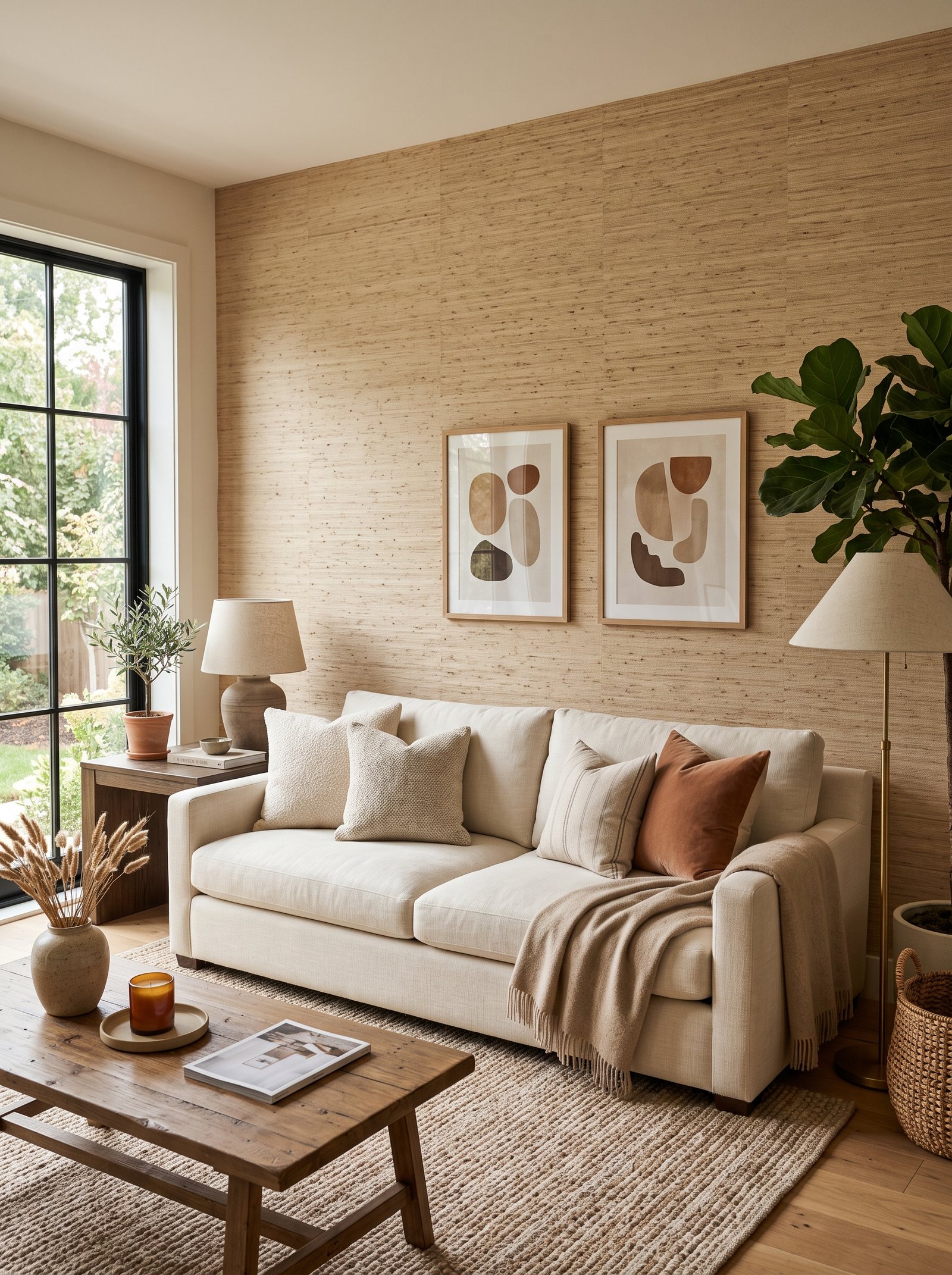
Grasscloth-texture peel-and-stick wallpaper (real texture look, not photo print) adds warm woven texture to a living room accent wall without adding pattern or color complexity. Reads as luxurious and calm.
Choose warm oat, warm gray, or cream grasscloth. Skip bright colored versions—natural tones age better and coordinate with all other decor.
Grasscloth reads authentic even in peel-and-stick form because the pattern is regular texture rather than printed image. The effect is subtle from far away and visible up close—perfect for accent walls.
4. Small-scale ditzy print for a bathroom
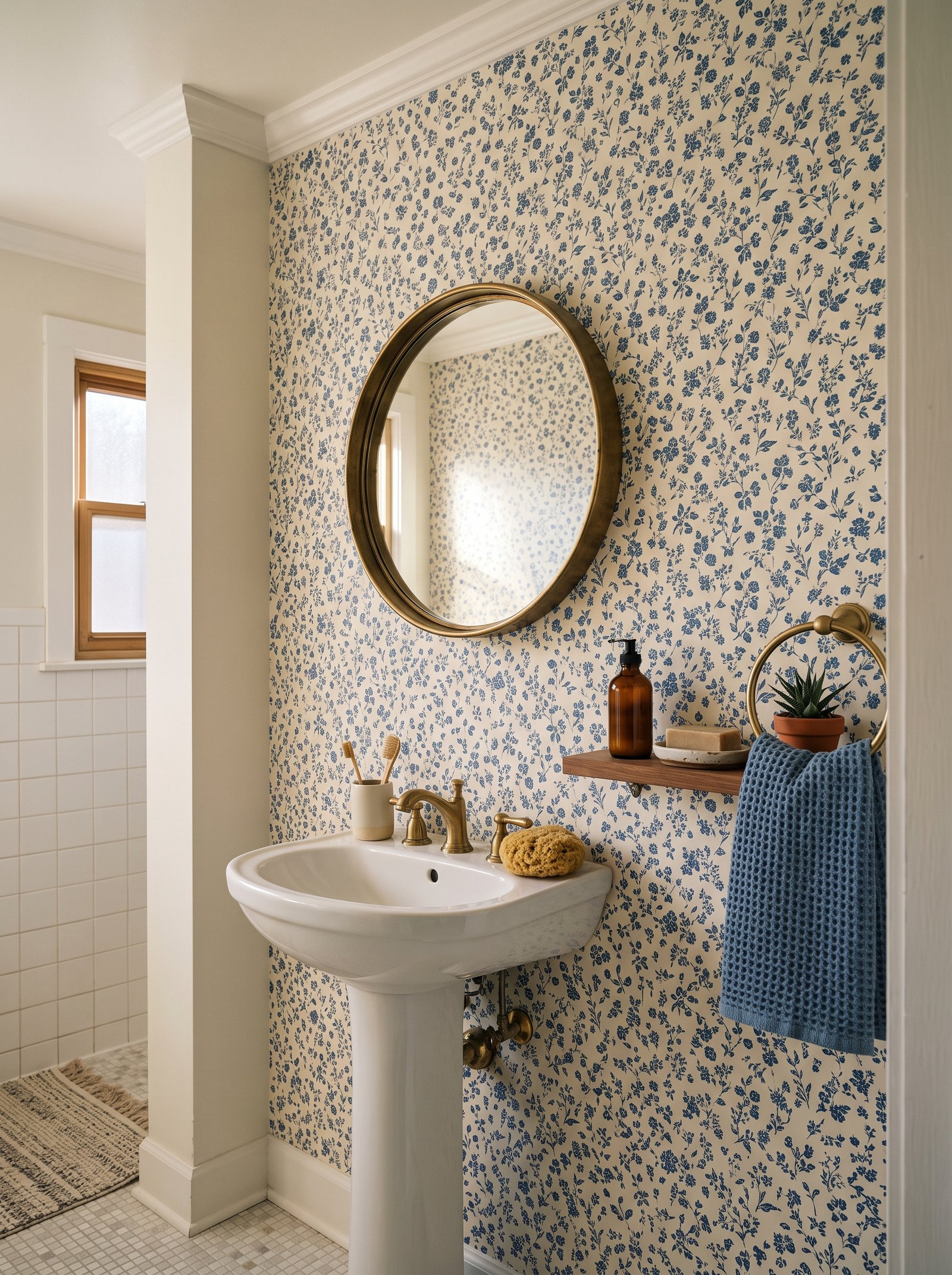
A small-scale ditzy print (tiny florals, small dots, delicate stars) in bathrooms adds character without overwhelming the small space. Choose blue and cream, sage and cream, or terracotta and cream.
The small scale of the print reads as an all-over pattern rather than isolated motifs, which suits the small bathroom scale. Bold big patterns in a small bathroom compete with fixtures.
Peel-and-stick handles bathroom humidity well if you apply it carefully and let the wall fully cure. Skip installing directly next to the shower head where constant water hits.
5. Warm neutral solid or subtle texture for the office
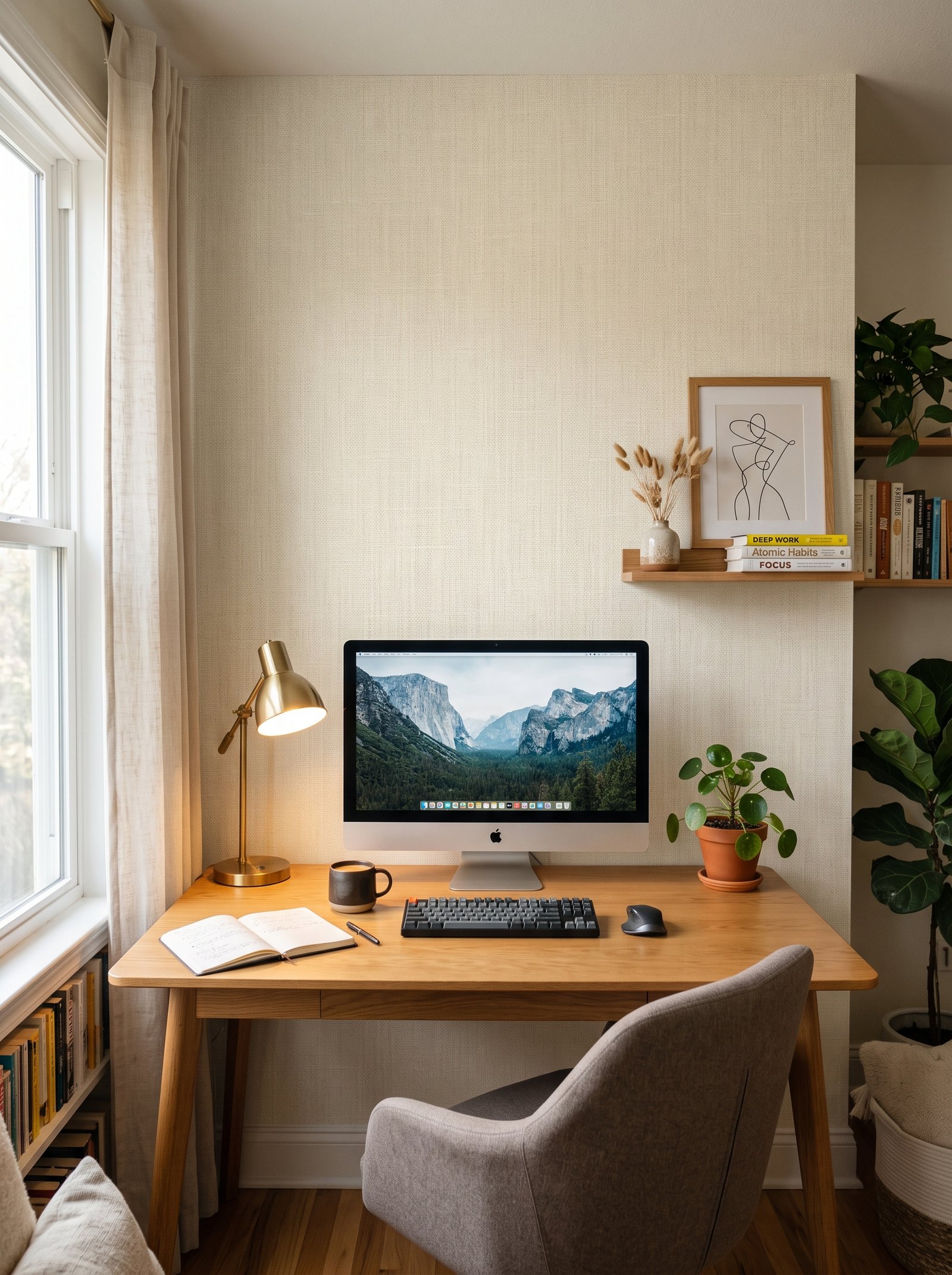
For home offices where you spend hours at the desk, choose a wallpaper that supports focus rather than distracts. Warm cream solids with subtle texture, muted linen-look, or very subtle vertical stripes work best.
The wall behind the desk should be calming, not attention-grabbing. Save bold patterns for the opposite wall or a corner rather than directly in your working line of sight.
For maximum contrast to work on, choose a slightly darker or textured wallpaper that provides good background for the monitor and papers on the desk. Cream on cream reads intentional and rests the eye.
6. Botanical mural for the kids room
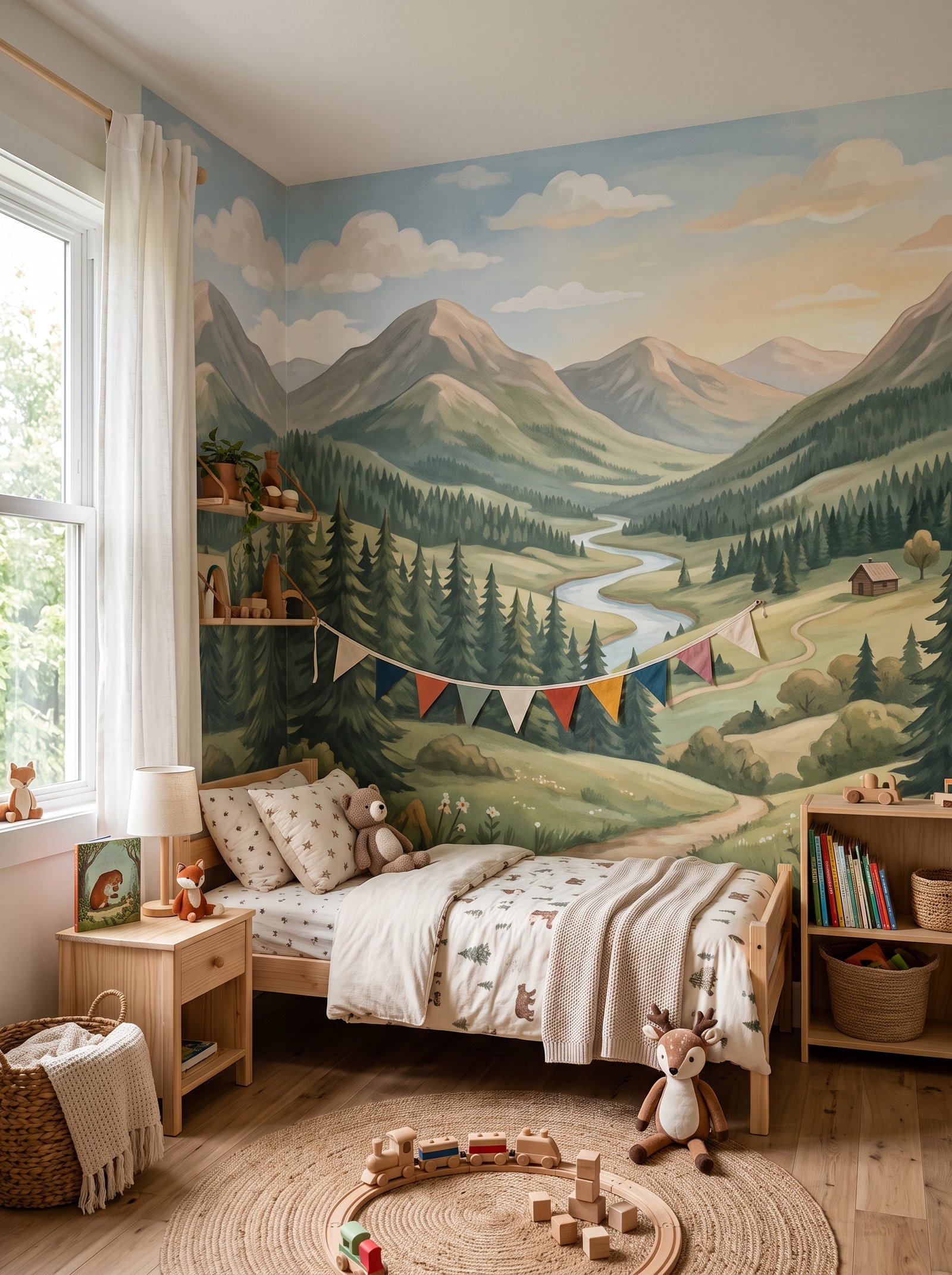
A large-scale botanical or landscape mural on one wall in the kid’s room feels magical and grows with the child. Choose gentle themes: soft trees, mountains, a subtle jungle, or gentle sky.
Skip cartoon-character wallpapers that age fast and get boring. Nature themes stay relevant from age 2 through 12+ years.
Chasing Paper, Anewall, and Photowall all make quality kids murals. The install can be more complex than a repeating pattern—work slowly and use a plastic smoother throughout.
7. Small floral for the reading nook
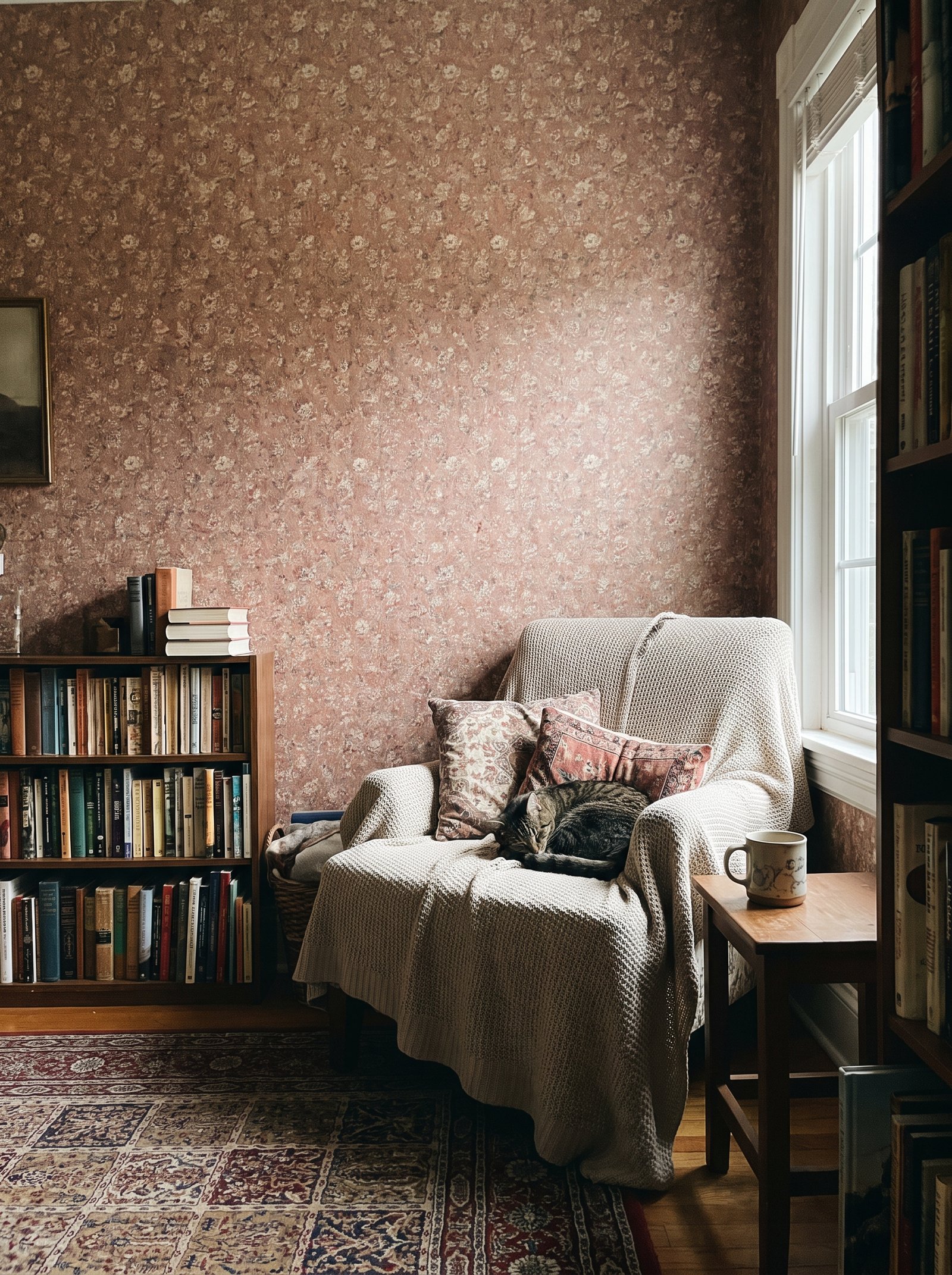
A small floral pattern in a reading nook (chair corner, bay window seat, small alcove) creates a cozy “retreat” feeling. Choose muted florals in warm cream, dusty rose, or sage.
The pattern should feel like a warm hug rather than a wall shouting for attention. This is where you go to relax and read—the wall should support that mood.
Pair with a small warm-bulb table lamp, a soft throw draped over the chair, and a small stack of books. The whole vignette reads as designed and intentional.
8. Warm stripe for the dining room
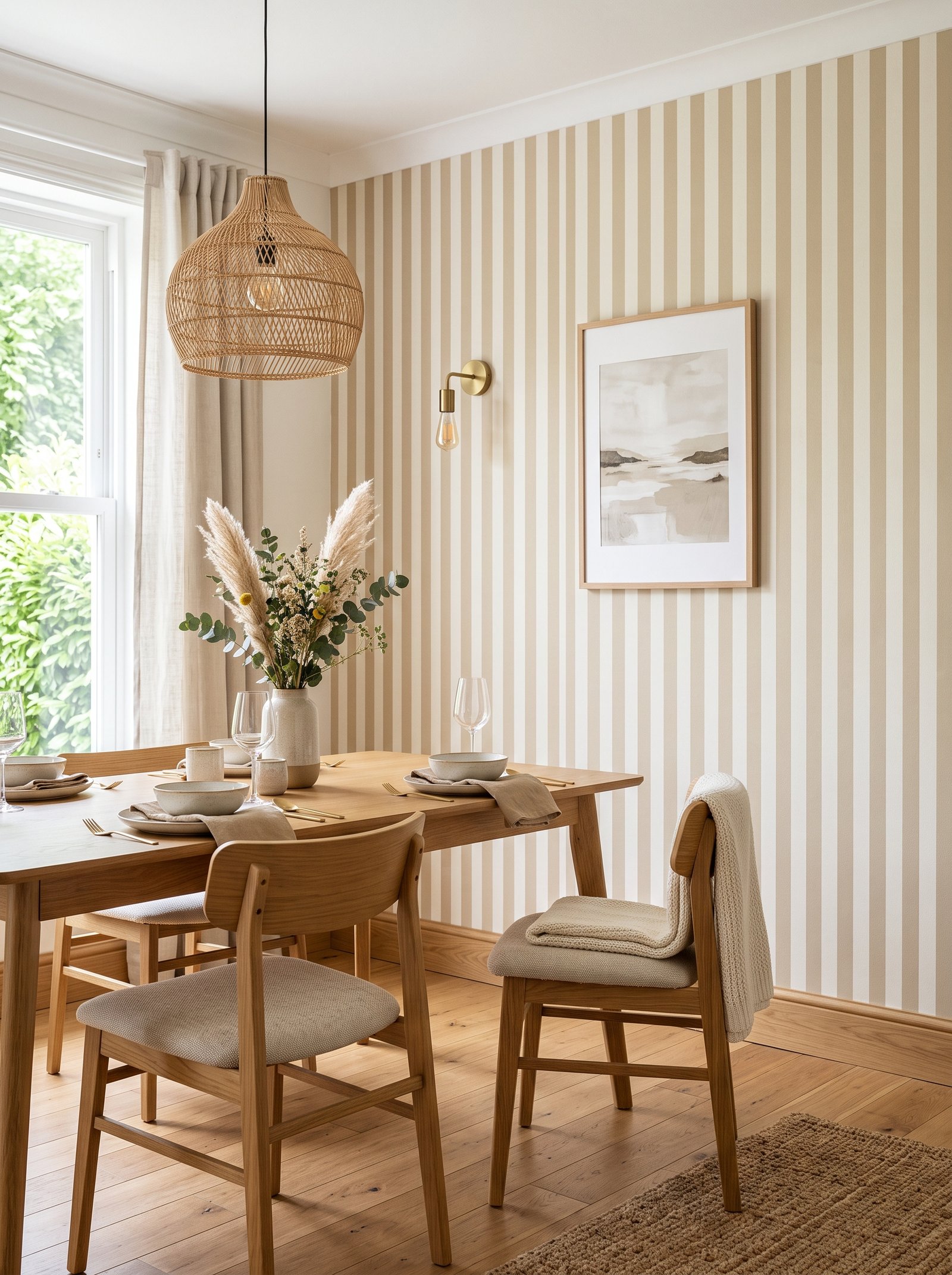
Vertical warm stripes (cream and oat, sage and cream, muted burgundy and cream) in a dining room accent wall create classic hosting elegance. The vertical direction makes ceilings feel taller.
Choose stripe widths appropriate to the wall size—narrow stripes (1-2 inches) for small rooms, wider stripes (3-5 inches) for larger dining rooms.
The muted color combination reads timeless rather than trendy. Formal dining rooms and casual eating areas both benefit from a subtle stripe wall.
9. Terrazzo pattern for the modern kitchen backsplash
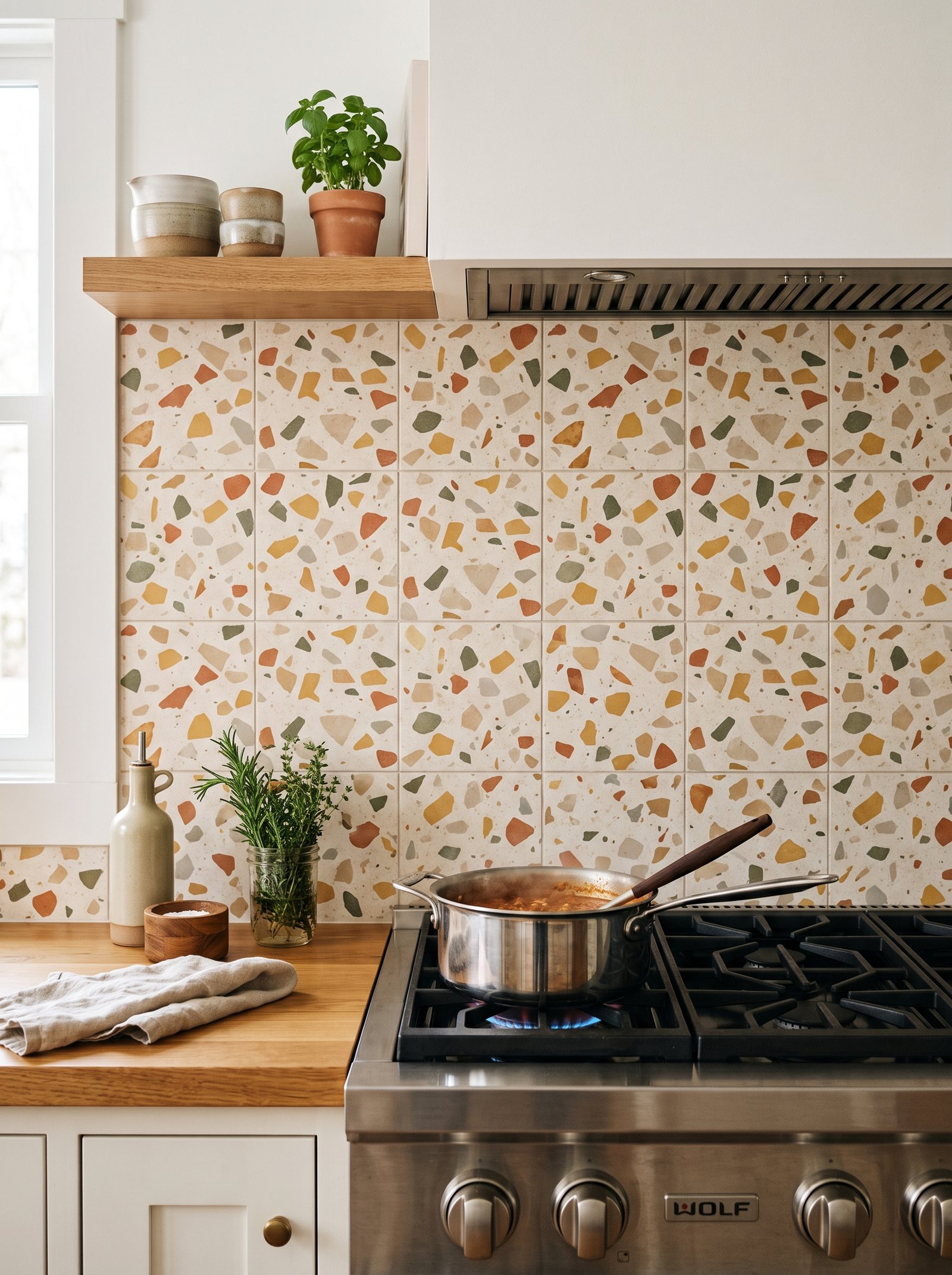
Peel-and-stick terrazzo pattern (multi-color chip look on cream base) adds modern kitchen personality behind the stove or sink area. Skip busy backsplash tile if terrazzo suits your taste.
Choose neutral chip colors—warm brass, sage, terracotta, cream on white base—rather than bright color chip combinations. Neutral versions age better and coordinate with more kitchen palettes.
For narrow backsplash areas, terrazzo pattern reads as intentional design rather than random. Larger applications overwhelm smaller kitchens; small applications add just the right amount of personality.
10. Faux marble for the powder room
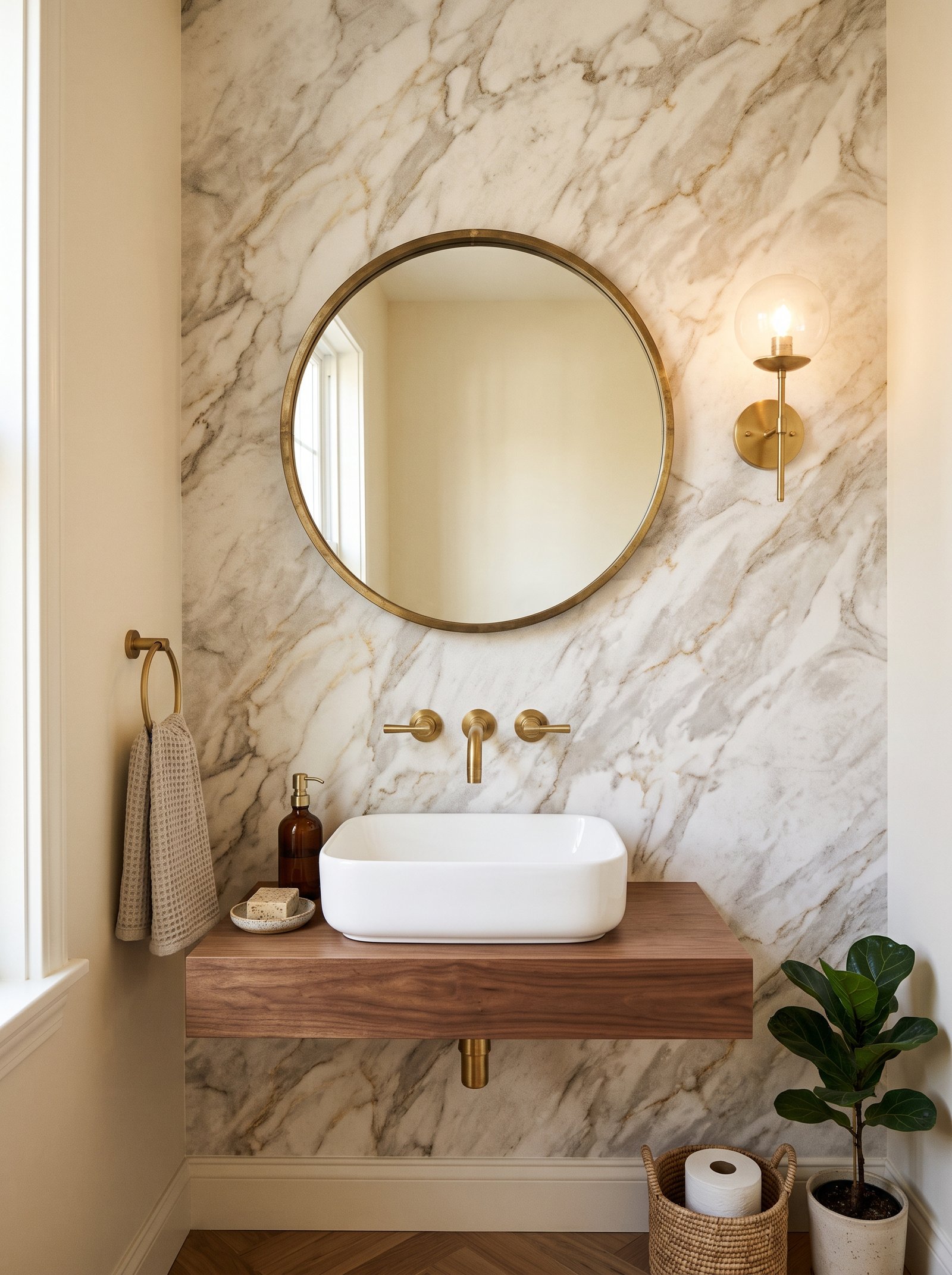
Faux marble peel-and-stick wallpaper (in warm gray with cream veining, or dark green with brass veining) transforms a small powder room into a luxurious moment. The small space makes bold patterns feel special.
Choose one accent wall (typically behind the toilet or the vanity) rather than wrapping the whole bathroom. One wall reads as intentional; four walls read as overwhelming.
For maximum effect, coordinate the wallpaper with brass or matte-black fixtures. The material coordination is what makes even peel-and-stick marble look genuinely luxurious.
11. Warm wood-grain for the mudroom
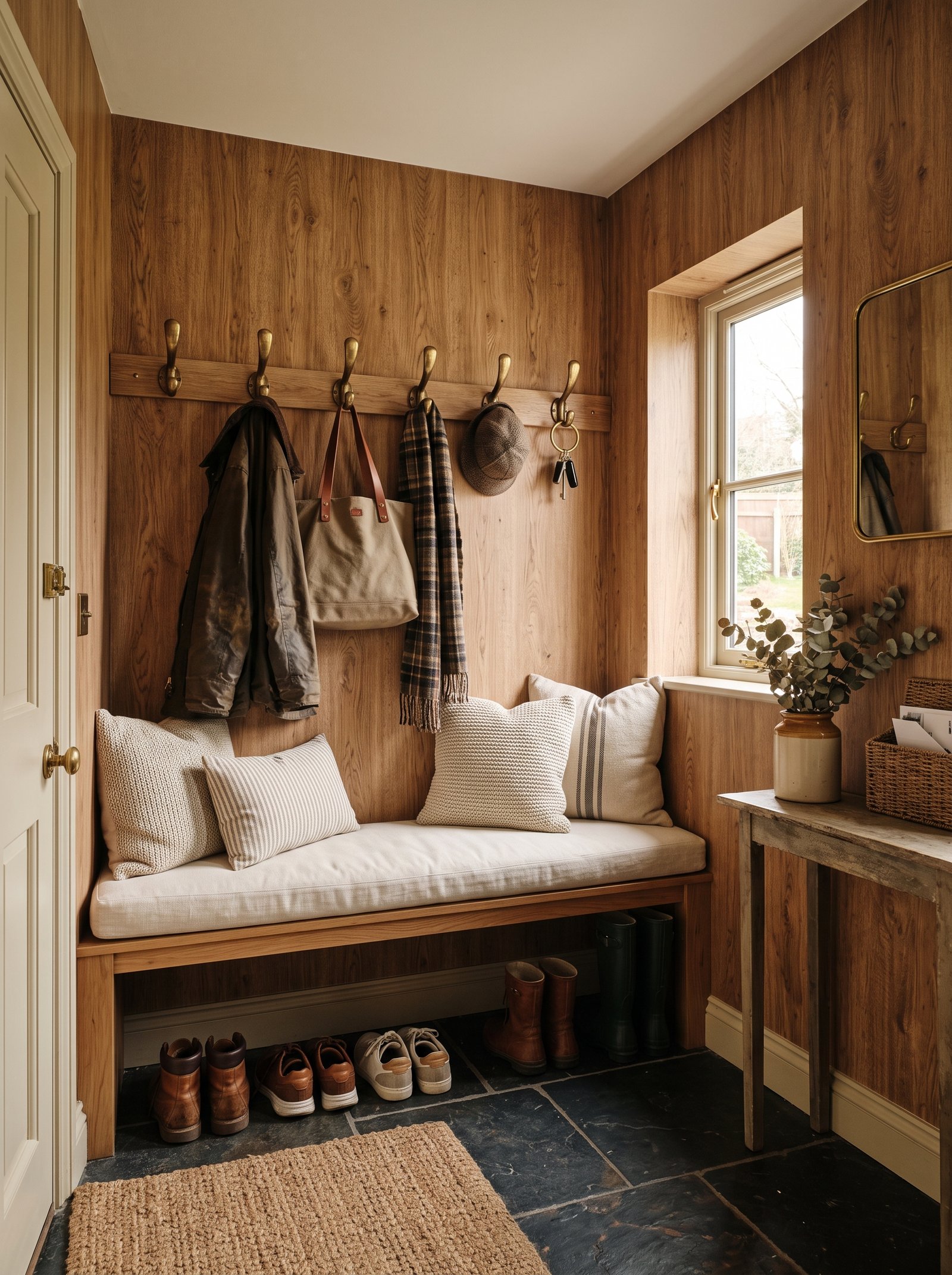
Peel-and-stick wood-grain wallpaper (warm oak, walnut) on a single mudroom wall (or all four walls of a small mudroom) creates a warm cabin feel. Choose realistic-looking wood grain, not obvious plastic prints.
The wood grain complements woven baskets, brass hooks, and cream cushions typical of well-designed mudrooms. Real wood is expensive; peel-and-stick delivers the look at a fraction of the cost.
For maximum authenticity, choose peel-and-stick made specifically to look like real wood—brands like Wallshoppe and RoomMates make convincing versions. Skip obvious plastic-look versions.
12. Solid dark accent for the study or den
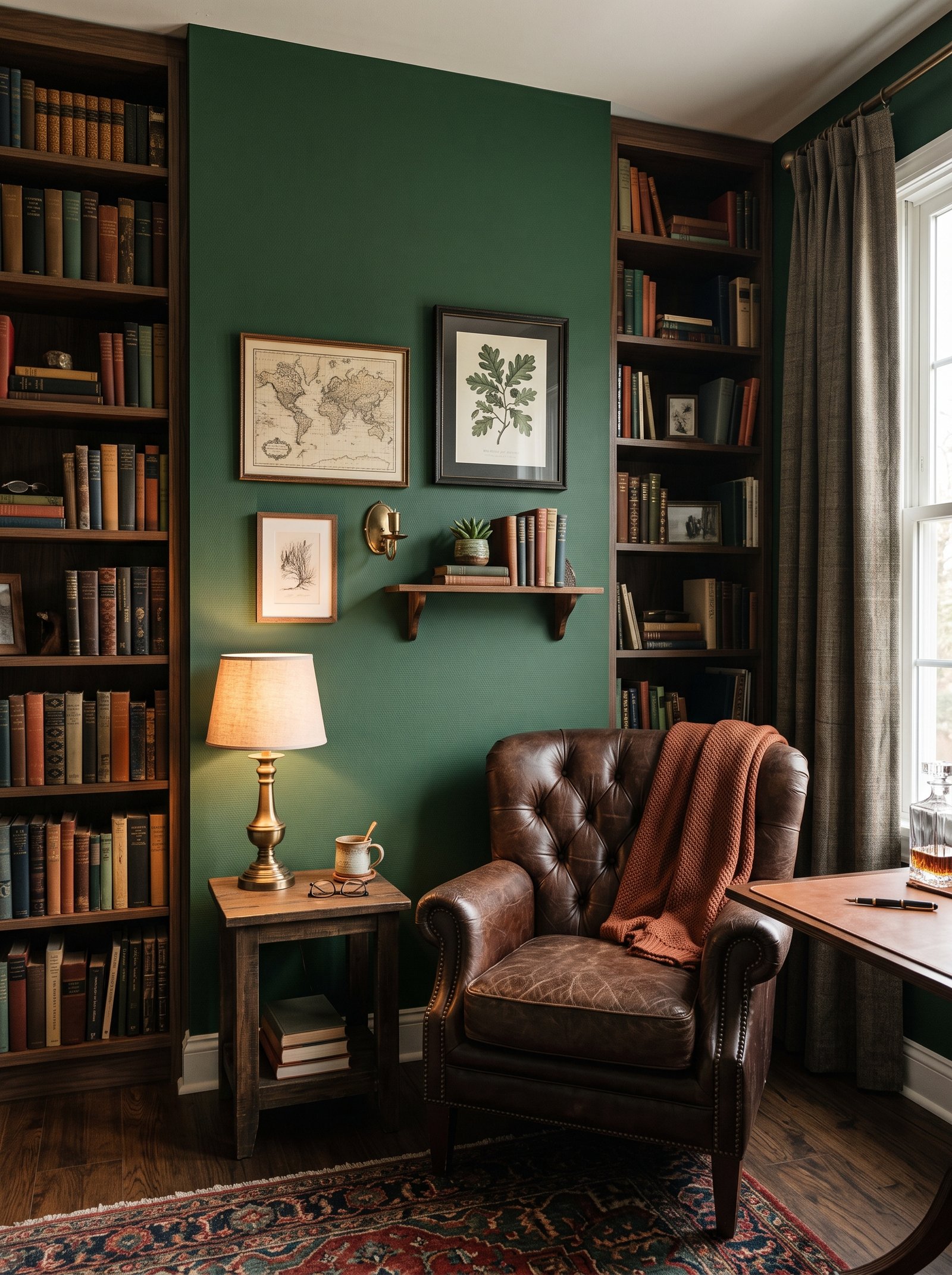
A solid dark accent wall (warm forest green, moody plum, warm charcoal) in a study or den creates a masculine cozy library feel. Peel-and-stick solid colors exist and work fine for this.
Choose warm dark colors—not cool blacks or bright saturated tones. Warm dark greens, plums, and warm charcoals age beautifully and coordinate with warm wood shelves and brass fixtures.
The dark accent wall visually recedes, making the room feel more intimate and cozy. Pair with warm lamps for a proper library atmosphere.
13. Subtle metallic for the dining or entry
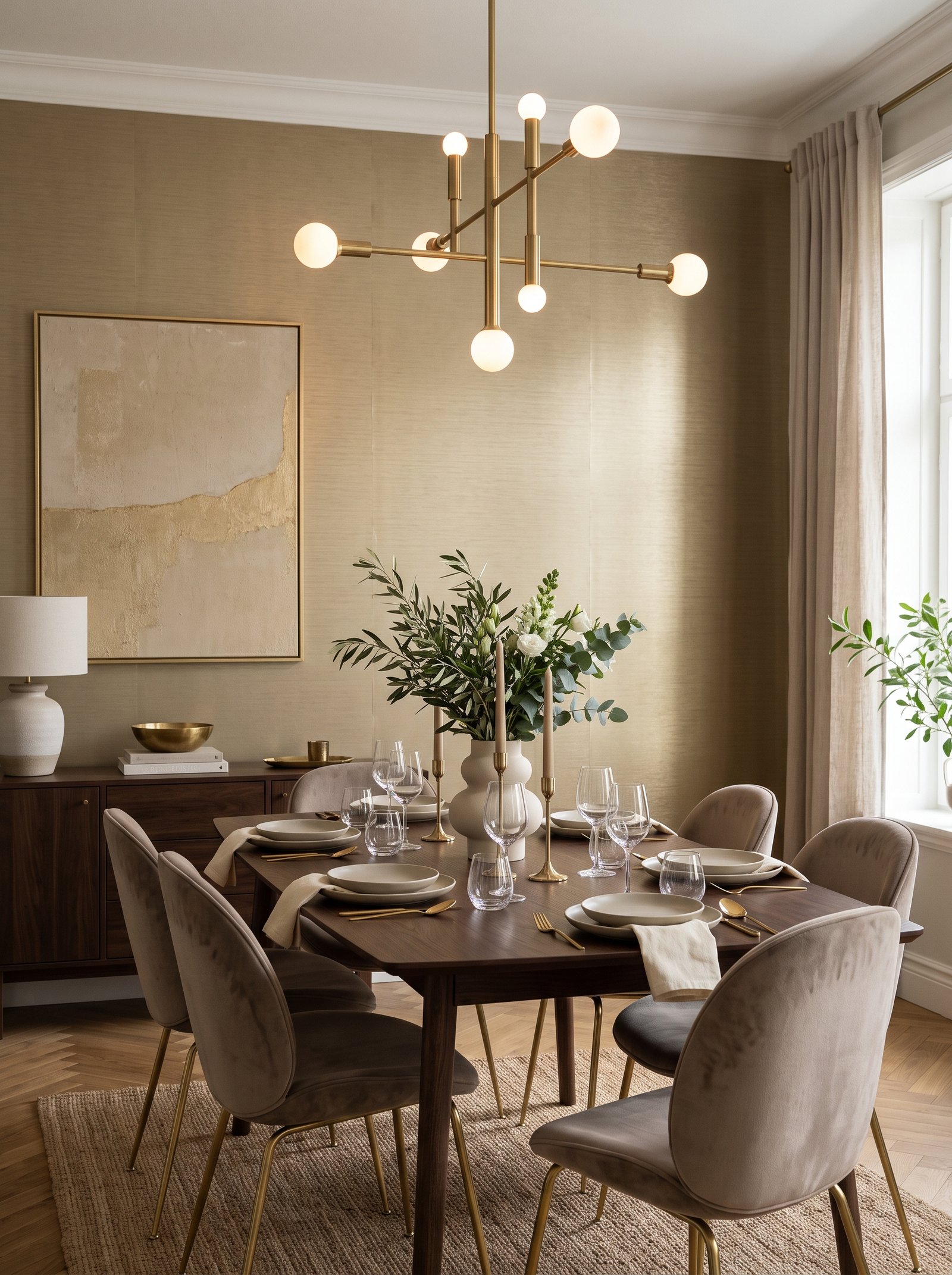
A subtle metallic peel-and-stick wallpaper (brushed brass, warm gold on cream, subtle silver on gray) adds glamour to formal dining rooms and entryways without full glitzy commitment.
The metallic should be muted rather than shiny bright. Warm brushed textures read as luxury design; bright shiny plastic reads as cheap.
Coordinate with brass or gold fixtures elsewhere in the room. The metal-on-metal consistency creates the “designed by someone with taste” look.
14. Palm print for the sunroom or plant corner
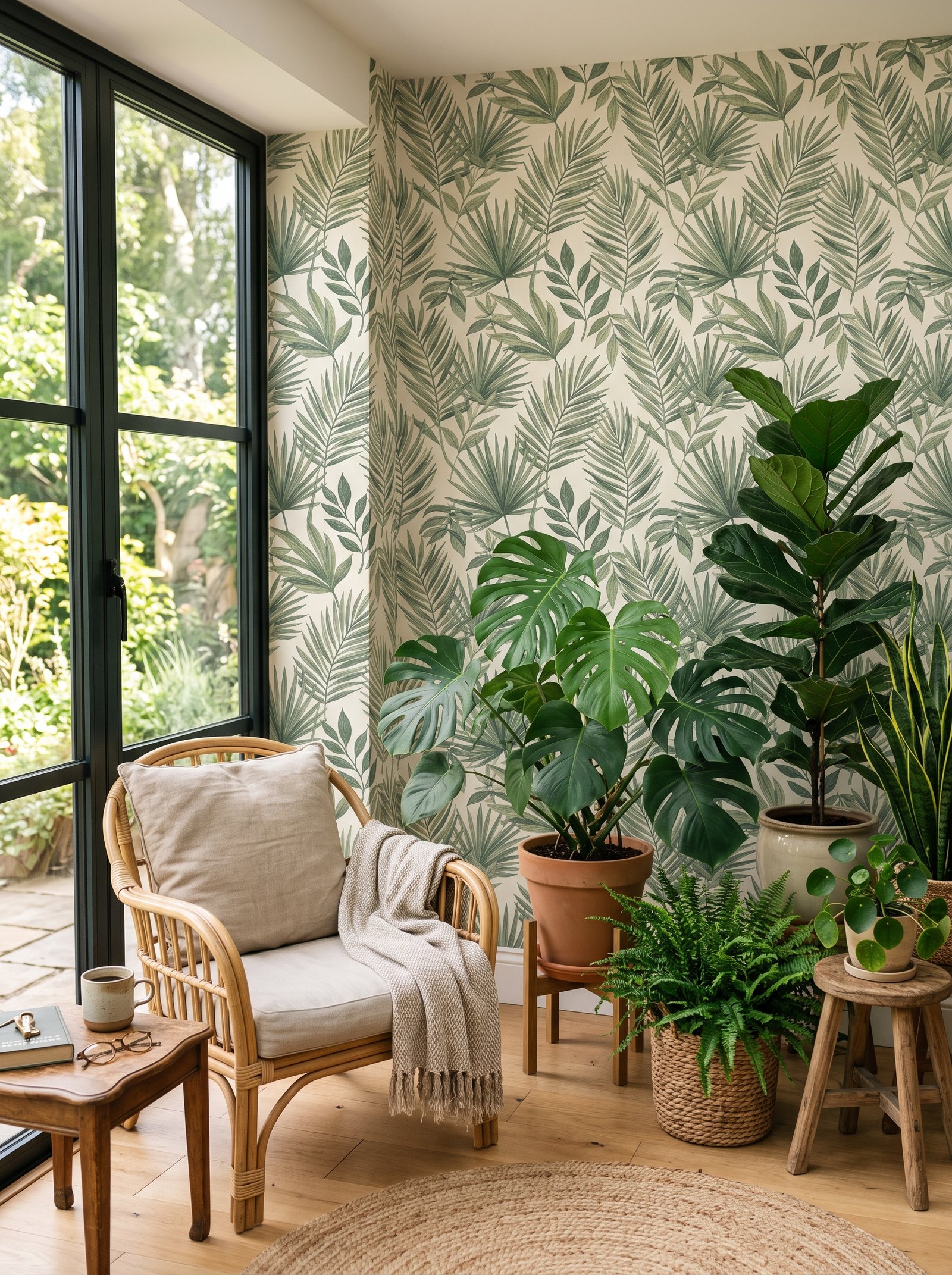
Palm print or tropical plant pattern wallpaper on a sunroom wall or behind a plant corner amplifies the natural theme. Choose muted green on cream rather than bright saturated tropical prints.
Small-scale palm patterns work in bathrooms and closets; large-scale in living rooms and sunrooms. Match the scale to the room size.
This palette combines beautifully with real plants in the room. The wallpaper serves as an amplifier for the actual plants, doubling the greenery effect.
15. Test with a single small wall first
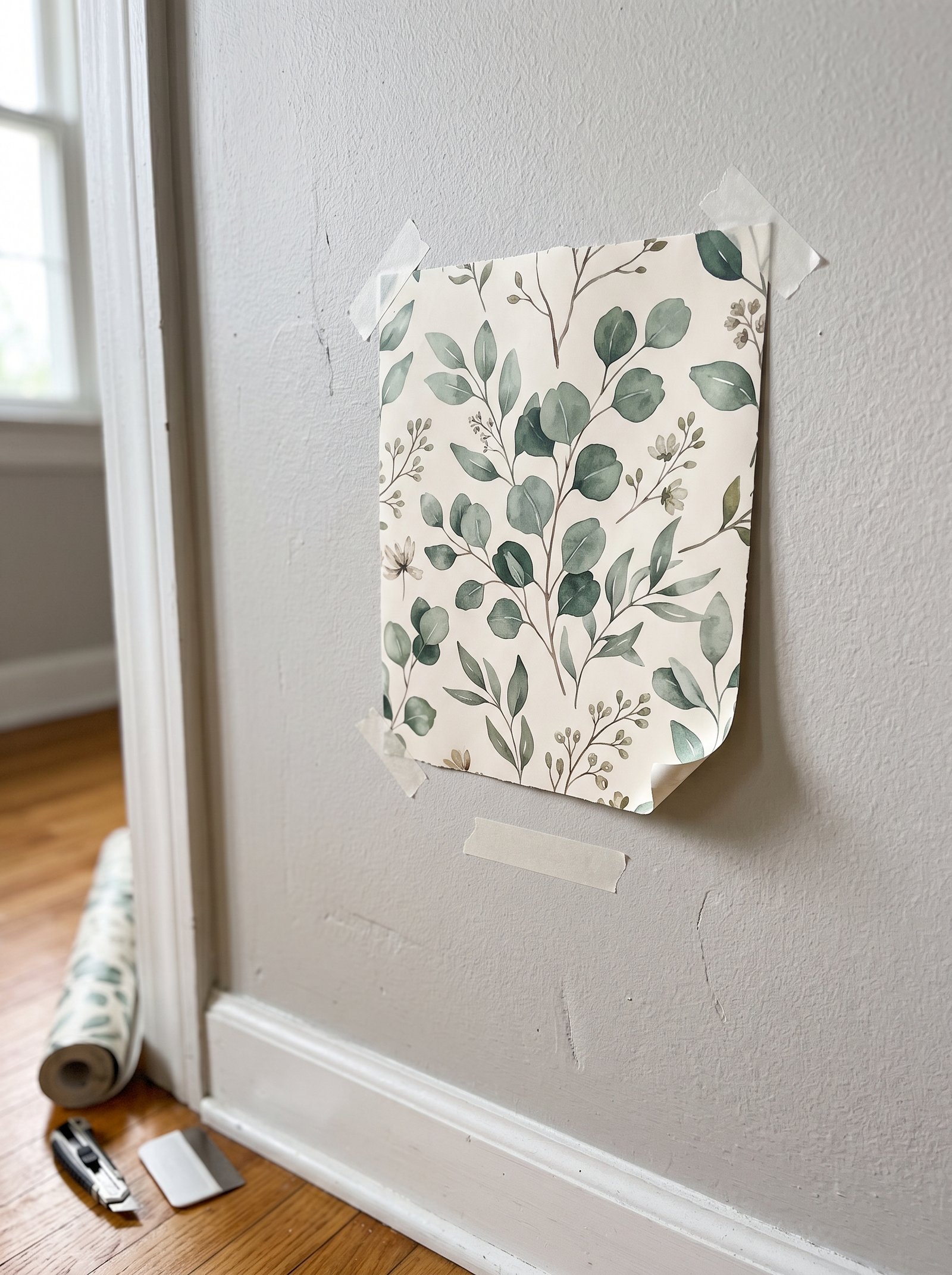
Before committing to a large accent wall, order a small sample panel and mount it temporarily on the intended wall. Live with it for a week. See how it looks morning and evening, in different lights.
Most peel-and-stick brands sell sample panels for $5-15. The small investment prevents the expensive mistake of buying enough for a whole wall and hating the pattern in your specific space.
For extra security, order the accent-wall quantity but only apply the first panel or two. Take a step back, live with it a day. If you love it, complete the wall. If not, peel off the couple of panels and return the rest unopened.
Peel-and-stick wallpaper is genuinely one of the most transformative decor tools available to renters and commitment-phobic homeowners. A single accent wall in the right pattern transforms an entire room—and comes off in under 30 minutes when you’re ready to change it or move.
Start by picking one room that needs the most visual help—usually the bedroom, entryway, or powder room—and choose one wall for the accent treatment. Match the pattern to the room’s function (subtle in bedrooms, bold in small transitional spaces). Order a sample first to test the color and pattern in your actual light. Then commit to the whole wall and enjoy the transformation for as long as you want it.